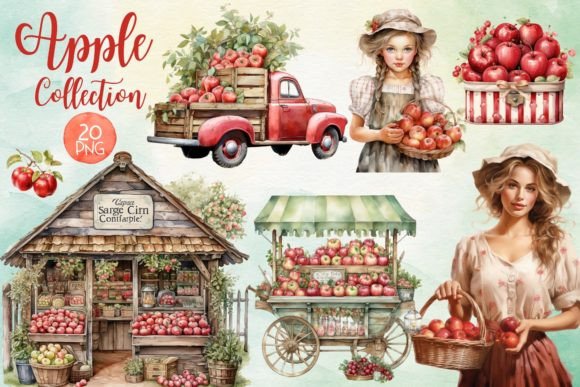
Apple Collection Watercolor Sublimation: A Designer’s Honest Take
First Impressions: Soft, Artistic, and Versatile
The moment I opened the Apple Collection Watercolor Sublimation file, I was struck by its soft, painterly quality. It’s not your typical crisp vector-style embroidery—it feels like a watercolor painting translated into stitch form. The color blending and brushstroke textures give it a hand-drawn, artistic vibe that’s perfect for crafters and Etsy sellers looking to add a touch of whimsy to their work.
This design feels like it belongs on handmade baby clothes, boutique tote bags, or personalized kitchen towels. The theme is subtle but recognizable—apples, yes, but not overly literal. It's more about the mood than the motif, which makes it flexible for different product lines.
Real-World Use: From Sweatshirts to Nursery Decor
I tested this design on a few different fabrics to see how it would hold up in real embroidery projects. On a soft cotton tote bag, the design came to life beautifully—especially the gradients and soft edges. It gave the bag a custom, boutique feel that would definitely stand out at a craft fair or in an Etsy listing.
When stitched onto a sweatshirt, the watercolor effect softened the overall look. It wasn’t too bold or flashy, which makes it ideal for customers who want a personalized gift with a more understated aesthetic. I also tried it on a stretchy knit fabric for a baby onesie, and with the right stabilizer, it stitched cleanly without distortion.
One of the best uses I found was for nursery decor—stitched onto a pillow cover or wall hanging, the design adds a gentle, artistic touch that feels handmade and thoughtful. It also worked well when scaled down slightly for a patch, maintaining clarity even at a smaller size.
Where to Use It Carefully
While the Apple Collection Watercolor Sublimation design is versatile, it’s not a one-size-fits-all solution. On small hoop sizes, the fine details start to blur, especially in the brushstroke textures. If you're working with a 4x4 hoop, you may want to simplify or omit some of the subtler elements to maintain clarity.
Dark fabrics can also be a challenge. The lighter watercolor strokes tend to get lost on black or navy backgrounds. I recommend testing it on a dark fabric swatch with a white underlay or switching to a bolder thread palette if you're going that route.
Textured and stretchy fabrics need special attention too. On fleece or ribbed knits, the soft edges can get distorted unless you use a quality stabilizer and adjust tension settings. Curved surfaces like caps require extra care as well—what looks fluid on a flat surface can look compressed or uneven on a rounded base.
Design Impact: Elevating Your Craft Business
From a design standpoint, this illustration-style embroidery adds immediate value to any handmade product. It elevates the visual appeal without feeling too commercial or mass-produced. For Etsy sellers and small shop owners, that’s a big win—customers respond to that handmade, curated look.
When I used it on a custom embroidered sweatshirt, the recipient commented on how “artistic” it looked—like a wearable piece of fabric art. That kind of feedback is gold for creative entrepreneurs trying to build brand recognition and customer trust.
It also works well for gift items. Whether it's stitched onto a baby blanket, a holiday ornament, or a personalized tote, the soft, nostalgic feel makes it feel more meaningful than a standard embroidered name or logo.
Designer Notes: Practical Tips Before You Stitch
If you’re planning to use this in a real embroidery project, here are a few things I learned from testing:
- Test on scrap fabric first, especially if you're using a new material or a darker background.
- Check thread color contrast—some of the subtle watercolor strokes may not show up well with high-contrast thread choices.
- Review stitch density, especially in the textured areas. Too dense, and you risk stiffness; too light, and the design may not hold up after washing.
- Confirm hoop size compatibility before stitching—this design works best in medium to large hoops.
- Inspect small details like the fine brushstrokes. If you're scaling down, some of these may disappear or blur.
- Try a black and white mockup to see how the design reads without color—this helps with thread selection and fabric contrast.
- Use proper stabilizer, especially on stretchy or textured fabrics to prevent puckering or distortion.
- Check licensing before selling finished items or digital embroidery files—this is crucial for Etsy sellers and digital product creators.
Final Thoughts: A Worthy Addition to Your Design Library
The Apple Collection Watercolor Sublimation design is a thoughtful, well-crafted embroidery file that bridges the gap between art and function. It’s not just a design you stitch—it’s one you build a product around. Whether you're making custom apparel, baby items, or boutique home goods, this design adds a soft, creative touch that resonates with customers.
For embroidery designers and small business owners, it's a great example of how a single design can influence product value, brand consistency, and customer engagement. Just remember to test it thoroughly, adjust for fabric type, and consider how it fits into your overall product line.
In short, if you're looking for a machine embroidery design that feels like a personal touch rather than a stock graphic, this one is worth the stitch.