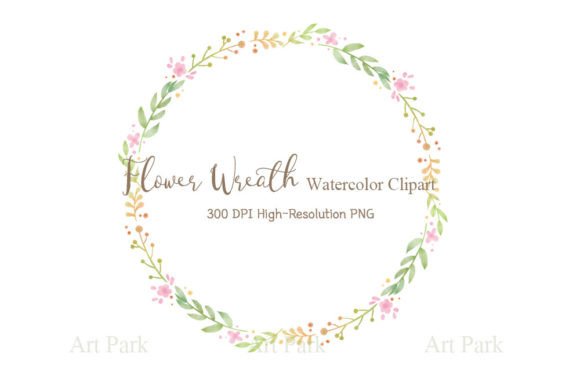
Flower Wreath Watercolor Clipart: A Fresh Illustration for Blog & Editorial Design
As a blog designer and digital publisher who works with content creators across niches, I’m always on the lookout for design assets that bring both aesthetic value and editorial function. The Flower Wreath Watercolor Clipart caught my eye recently—not just for its soft, artistic appeal, but for how it could enhance the visual storytelling of a content-driven website. Whether you're building Pinterest pins, featured images, or digital guides, this illustration has the potential to elevate your content’s presentation.
First Impressions: Soft, Feminine, and Lifestyle-Centric
The first thing I noticed about the Flower Wreath Watercolor Clipart was its gentle, hand-painted texture. The watercolor effect gives it a slightly imperfect, organic feel—perfect for bloggers and content creators who want to evoke a sense of warmth, authenticity, and approachability. It leans heavily into a lifestyle-focused and feminine editorial mood, which makes it ideal for niches like wellness, self-care, home decor, fashion, food, and creative entrepreneurship.
From a reader trust standpoint, this kind of design asset helps establish a more humanized brand identity. In a sea of stock photos and overly polished graphics, a hand-drawn aesthetic like this one can help your content feel more personal and curated.
Real Publishing Use Cases for Flower Wreath Watercolor Clipart
- Blog featured images – Use it as a background accent or framing element to give your article headers a soft, editorial look.
- Pinterest pins – Works beautifully as a decorative border or overlay to highlight your headline text.
- Email newsletter headers – Adds a touch of elegance and warmth to your weekly content delivery.
- Downloadable printables – Perfect for planners, quote cards, or digital guides where a calming aesthetic supports the content’s tone.
- Canva templates – Easy to integrate into pre-built templates for clients or personal use.
- Social media visuals – Ideal for Instagram stories or Facebook posts that promote blog content or lead magnets.
How Flower Wreath Watercolor Clipart Boosts Content Performance
Visual design is more than just decoration—it plays a critical role in how readers interact with your content. Here’s how the Flower Wreath Watercolor Clipart can directly support your content marketing and publishing goals:
- Better first impression – Its soft, inviting visuals make your content feel more accessible and engaging at a glance.
- Improved visual hierarchy – Can be used to frame or highlight key elements like headlines or calls to action.
- Higher click-through potential – Especially when used in Pinterest graphics or social media posts, it can draw attention more effectively than plain text.
- Stronger brand identity – When used consistently across blog graphics, newsletters, and social media, it reinforces a cohesive visual tone.
- Increased reader trust – A polished, curated design helps readers perceive your content as more professional and reliable.
- Enhanced category recognition – Use it to visually differentiate content sections or editorial themes (e.g., wellness, creativity, seasonal guides).
Where This Design Asset Shines
The Flower Wreath Watercolor Clipart works best in hero images, article thumbnails, and editorial accents where the visual tone is warm and inviting. It’s particularly effective in:
- Newsletter headers – Adds a touch of personality to your email branding.
- Content upgrades – Enhances the visual appeal of downloadable worksheets or printables.
- Social media previews – Makes your posts stand out with a soft, artistic edge.
- Digital guides and lead magnets – Elevates the perceived value of your free or paid content offers.
- Category visuals – Helps visually organize blog sections or website navigation.
Use It Thoughtfully in These Contexts
While versatile, this asset isn’t a one-size-fits-all solution. Be cautious when applying it in the following scenarios:
- Small mobile thumbnails – The intricate details may not render clearly on tiny screens.
- Text-heavy blog images – Can compete with headline text if not balanced properly.
- Low-contrast backgrounds – May blend in too much if used without proper spacing or layering.
- Busy layouts – Can get lost in already complex designs.
- Corporate or serious professional niches – May feel out of place in highly technical or formal content environments.
- Minimalist websites – Could disrupt the clean, uncluttered aesthetic if overused.
Publisher’s Checklist: Testing Flower Wreath Watercolor Clipart in Real Projects
Before fully integrating this graphic design asset into your content workflow, here are a few practical tests to run:
- Preview on desktop and mobile – Ensure it scales well across screen sizes.
- Test as a thumbnail – See how it performs when shrunk down for blog post previews.
- Place in a live blog layout – Check how it interacts with body text, headers, and white space.
- Overlay with headline text – Make sure the watercolor doesn’t interfere with readability.
- Check contrast and readability – Especially important if using it on light or textured backgrounds.
- Try it in black and white – See how it holds up without color, in case you need a monochrome version.
- Pair with different fonts – Test how it works with serif, sans-serif, script, and display typefaces.
- Review file size – Make sure it’s optimized for fast web performance.
- Verify commercial licensing – Confirm it can be used on monetized blogs, affiliate pages, or digital products.
Final Thoughts: A Versatile Illustration for Creative Publishers
For bloggers, digital educators, and small business owners who want to build a more visually compelling brand identity, the Flower Wreath Watercolor Clipart is a strong contender. It brings a touch of artistry and warmth to content marketing efforts without sacrificing professionalism. Whether you're designing a digital guide, crafting a lead magnet, or updating your social media graphics, this asset can help your content feel more cohesive, trustworthy, and clickable.
Like any design asset, its value lies in how intentionally it’s used. When integrated thoughtfully into your publishing workflow, it can become a signature visual element that elevates your editorial design and strengthens your digital brand presence.