Flowers Sneakers Watercolor Cliparts: An Embroidery Review
As a professional embroidery designer and product reviewer, I approach every new digital asset with a critical eye toward stitchability. When evaluating Flowers Sneakers Watercolor Cliparts, my primary concern is not just the aesthetic appeal of the illustration, but how those soft watercolor edges and intricate floral details will translate into thread on fabric. This review breaks down the practical realities of using this specific artwork for machine embroidery projects, focusing on real-world application for craft business owners and makers.
First Impressions: Whimsy Meets Technical Reality
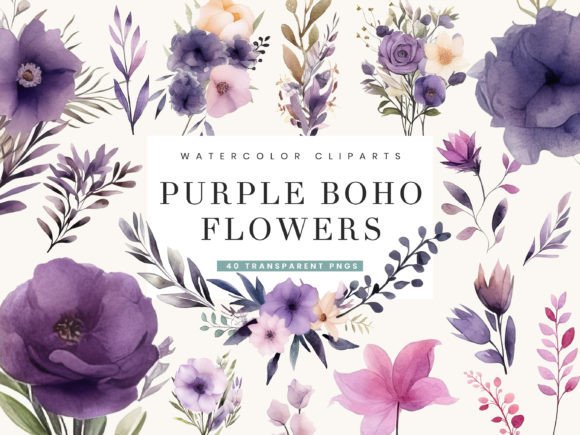
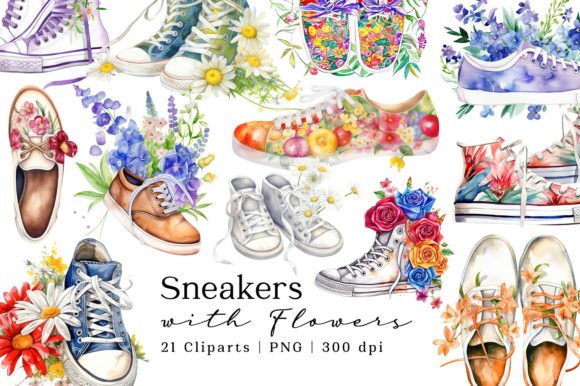
The initial visual impact of Flowers Sneakers Watercolor Cliparts is undeniably charming. The design captures a playful, youthful energy that bridges the gap between streetwear and cottagecore aesthetics. For an Etsy seller or boutique owner, this crossover appeal is valuable because it targets multiple demographics simultaneously. However, as illustrations, watercolor styles present unique challenges for digitizers. The soft gradients and undefined edges seen in the clipart do not exist in embroidery; they must be interpreted through stitch density and thread color blending.
When I look at this artwork, I immediately assess the line weight. Are the sneaker outlines bold enough to support a satin stitch border, or will they require a running stitch outline? The floral elements appear lush, which suggests a need for careful fill stitch planning to avoid excessive puckering. The mood is perfect for spring collections, baby showers, and personalized gifts, but the technical execution requires a digitizer who understands how to preserve the "watercolor" feel without creating a dense, bulletproof patch of thread.
Real-World Application: The Custom Tote Bag Test
To truly evaluate this design, I mentally placed it in a specific production scenario: creating a custom embroidered tote bag for a local florist’s branded merchandise. Tote bags are high-visibility items that endure wear and tear, making them the ultimate test for any embroidery file.
In this context, Flowers Sneakers Watercolor Cliparts serves as a fantastic centerpiece. The combination of footwear and botanicals aligns perfectly with a florist's brand identity while adding a trendy, wearable element. However, canvas tote material is textured and unforgiving. If the digitized version of this clipart relies on tiny, delicate running stitches to mimic watercolor brushstrokes, those details risk getting lost in the canvas weave. For this project to succeed, the embroidery file would need slightly bolder outlines and strategic underlay stitching to stabilize the fabric before the top stitches lay down.
I also considered how this would look as sweatshirt embroidery. On fleece, the soft texture of the fabric complements the watercolor theme beautifully. Here, the challenge shifts from fabric texture to loft. Fleece can swallow fine details. If using these cliparts for apparel, I would recommend testing a version with increased stitch spacing or a lighter density to prevent the design from becoming stiff and uncomfortable against the skin.
Navigating Fabric Limitations and Hoop Constraints
Not every project is suitable for complex illustrative designs. While Flowers Sneakers Watercolor Cliparts offers immense creative potential, there are specific scenarios where caution is necessary.
- Stretchy Fabrics: Applying detailed floral sneaker art to thin knits or performance wear is risky. The contrast between the dense fill stitches required for the flowers and the stretchy base fabric often leads to distortion. Unless you are using a heavy-duty cutaway stabilizer and potentially an applique design technique to reduce stitch count, the garment may warp.
- Small Hoop Sizes: Reducing this artwork to fit a 4x4 hoop requires significant simplification. Watercolor effects rely on color variation. Shrinking the design too much forces the digitizing software to merge colors, resulting in a muddy, indistinguishable blob rather than distinct petals and shoe laces. Always check the minimum recommended size for the specific embroidery file.
- Dark Fabrics: Watercolor aesthetics typically rely on light backgrounds to show transparency. Stitching light-colored flowers and white sneakers onto black denim requires a solid white underbase. This adds significant density and changes the hand-feel of the finished product. It works, but it transforms the airy watercolor vibe into something more akin to a vintage patch.
- Frequent Washing: For baby embroidery or kitchen linens, durability is paramount. Ensure the digitization uses secure lock stitches at the end of color runs. Loose threads in complex floral areas will unravel quickly in the wash if not properly secured during the digitizing process.
Impact on Product Value and Customer Perception
Using high-quality, well-digitized versions of Flowers Sneakers Watercolor Cliparts can significantly elevate the perceived value of handmade products. In the saturated market of digital embroidery files and finished goods, customers are becoming increasingly discerning. They can tell the difference between a generic auto-digitized graphic and a thoughtfully interpreted design.
When the stitch clarity is sharp and the color transitions mimic the original illustration effectively, it signals professionalism. For commercial embroidery businesses, this builds trust. A client ordering custom apparel for their staff wants to know the logo or decorative element won't look pixelated or messy. Furthermore, unique artistic themes like floral sneakers help differentiate your shop from competitors using standard stock vectors. This distinctiveness is crucial for brand consistency and recognition, especially when selling printable mockups or digital product previews alongside physical items.
Essential Designer Notes for Success
Before you load this design into your machine or list a finished product in your shop, adhere to these practical guidelines to ensure professional results.
- Verify Licensing Terms: Before selling any finished product or digital embroidery file derived from these cliparts, confirm the commercial license. Some illustration licenses allow for physical product sales but prohibit reselling the digital assets or using them in print-on-demand services.
- Test on Scrap Fabric First: Never stitch a complex illustrative design directly onto a final product without a test run. Use a scrap piece of the exact fabric and stabilizer combination you intend to use. Check for registration issues between the sneaker outlines and the floral fills.
- Evaluate Thread Color Contrast: Watercolor designs often use subtle tonal shifts. Ensure your thread palette has enough contrast to define these shifts. If two adjacent flower petals are stitched in nearly identical pink shades, the detail will vanish. You may need to adjust the thread colors manually to enhance definition.
- Check Stabilizer Requirements: The amount of stabilizer needed depends entirely on the stitch density of the specific embroidery file you purchase or create. Heavier designs require cutaway stabilizers for knits and tear-away for stable wovens. Do not guess; test.
- Mockup Testing: Create both light and dark background mockups before listing. This helps you visualize how the design translates across different product variants. It also allows you to spot potential visibility issues before committing to production.
- Inspect Small Details: Zoom in on the digital file. Are the shoelaces represented by single running stitches? If so, they may break easily. Are the flower centers tiny satin stitch columns? These may pull out. Identifying these weaknesses in the digital stage saves hours of frustration at the machine.
Flowers Sneakers Watercolor Cliparts represent a delightful intersection of fashion and nature that can breathe fresh life into your embroidery catalog. Whether you are crafting a personalized gift for a sneakerhead or developing a new line of nursery decor, success lies in respecting the technical limitations of thread. By approaching this artwork with a maker’s mindset—prioritizing stitch integrity, fabric compatibility, and proper stabilization—you can transform a beautiful digital illustration into a tangible, high-quality embroidered masterpiece that customers will cherish.