Martini Cocktail Watercolor Clipart: A Visual Designer’s Real-Use Review for Bloggers & Publishers
As a blog designer and digital publisher who works with visual assets daily, I recently came across the Martini Cocktail Watercolor Clipart and decided to test it across several live content projects. Here's my full breakdown of how this design asset performs in real publishing workflows—from blog headers to Pinterest pins and downloadable guides.
First Impressions: Lush, Lifestyle-Centric, and Editorial-Ready
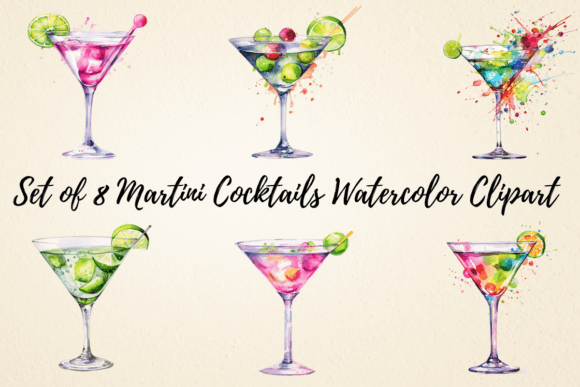
The Martini Cocktail Watercolor Clipart immediately struck me as a strong visual anchor for lifestyle, food, and beverage content. The soft watercolor textures and elegant martini glass illustrations convey a sense of sophistication without feeling overly formal. This makes it ideal for content niches like mixology, cocktail recipes, happy hour guides, luxury living, and women-led lifestyle blogs.
The editorial mood is light yet polished—perfect for creating a visual tone that feels approachable but curated. It leans more toward feminine and artistic aesthetics, though its watercolor finish adds a touch of modernity that can work across a broader range of content styles when used thoughtfully.
One of the key strengths of Martini Cocktail Watercolor Clipart is its versatility in real publishing scenarios:
- Blog Featured Images: Works beautifully as a background accent or central visual in lifestyle or food-related posts.
- Pinterest Graphics: The rich color palette and elegant subject matter make it highly clickable for recipe pins and cocktail guides.
- Newsletter Headers: Perfect for themed email campaigns centered around seasonal drinks or evening entertaining.
- Digital Guides & eBooks: Ideal for downloadable cocktail recipe books or hosting guides.
- Content Upgrades: Can be used as part of a lead magnet design like a printable cocktail menu or mixology tips PDF.
- Canva Templates: Easy to integrate into pre-designed layouts for social media or blog graphics.
- Social Media Visuals: Especially effective for Instagram Stories or Facebook posts focused on weekend vibes, bar culture, or at-home mixology.
Supporting Content Performance with Visual Design
As a designer, I always evaluate how a graphic design asset affects content performance. This illustration pack delivers on several fronts:
- Stronger First Impressions: The watercolor aesthetic catches the eye without overwhelming the reader.
- Clear Visual Hierarchy: When layered with text or other design elements, it supports a clean layout.
- Better Click-Through Potential: Particularly for Pinterest and social media visuals, the design encourages engagement.
- Consistent Branding: Works well as part of a broader brand identity focused on lifestyle or wellness.
- Improved Reader Trust: High-quality visuals signal professionalism, especially important for affiliate or sponsored content.
- Category Recognition: Great for tagging or categorizing content related to drinks, mixology, or adult lifestyle topics.
- Strong Visual Identity: Helps establish a cohesive look across blog posts, downloadable resources, and marketing materials.
To get the most from this asset, I recommend using it in the following areas:
- Hero Images: As a background accent or featured visual on landing pages or cocktail-themed content hubs.
- Article Thumbnails: Especially effective for drink-related posts where visual appeal drives clicks.
- Pinterest Pins: High visual appeal and subject relevance make it ideal for repinning.
- Newsletter Headers: Adds a polished, thematic touch to email campaigns.
- Editorial Accents: Use as a decorative divider or sidebar graphic in long-form articles.
- Downloadable Resources: Perfect for printable drink menus, recipe cards, or event guides.
Where to Use with Caution: Avoiding Visual Overload
While versatile, this design asset isn’t a one-size-fits-all solution. Here are situations where it may need extra attention:
- Small Mobile Thumbnails: The intricate watercolor lines can get lost on tiny screens.
- Text-Heavy Blog Images: Can compete with headline copy if not layered carefully.
- Low-Contrast Backgrounds: May not stand out clearly unless tested for readability.
- Busy Layouts: Risks blending into already complex designs.
- Serious Professional Niches: May not suit legal, tech, or finance-focused blogs.
- Corporate Content: Not ideal for whitepapers or formal reports.
- Minimalist Websites: Could feel out of place in ultra-clean design systems.
Before integrating this into your live content, here’s what I recommend testing:
- Desktop & Mobile Screens: Ensure it scales well and remains legible.
- Thumbnail Preview: Check how it looks in a content feed or email preview.
- Real Blog Layout: Place it inside your CMS or blog theme to see how it interacts with fonts and spacing.
- Headline Text Overlay: Test different font styles and colors for contrast.
- Black & White Conversion: See how it holds up in grayscale for print or accessibility.
- Font Pairings: Try it with serif, sans serif, script, and display fonts to see which combinations feel most cohesive.
- File Size & Compression: Optimize for fast loading—especially if used in multiple places on a page.
- Commercial Licensing: Always verify that the design asset includes a commercial license if you're using it on monetized sites, affiliate pages, or paid digital products.
Final Thoughts: A Lifestyle-Focused Design Asset Worth Testing
Martini Cocktail Watercolor Clipart is a well-crafted illustration set that fits neatly into the visual toolbox of bloggers, content creators, and digital marketers focused on lifestyle, food, and beverage niches. Whether you're building a Pinterest-driven blog, creating downloadable guides, or designing Canva templates for your audience, this asset can elevate your visual communication and help your content feel more professional and clickable.
If you're looking to refine your blog graphics, strengthen your brand identity, or create more engaging social media visuals, this is a design asset worth exploring—especially if your content leans into the artistic, seasonal, or lifestyle-focused side of publishing.