Watercolor Western Boho Clipart for Embroidery
First Impressions: Translating Paint to Thread
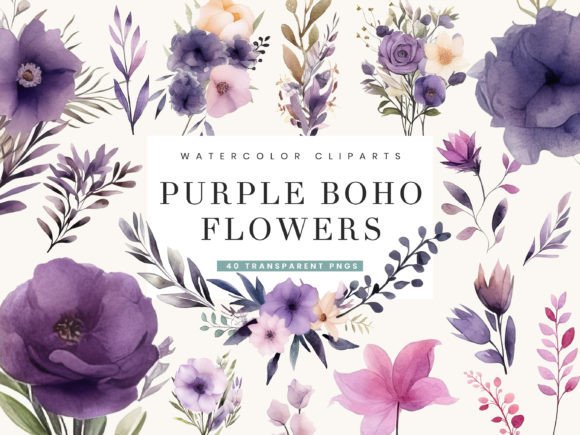
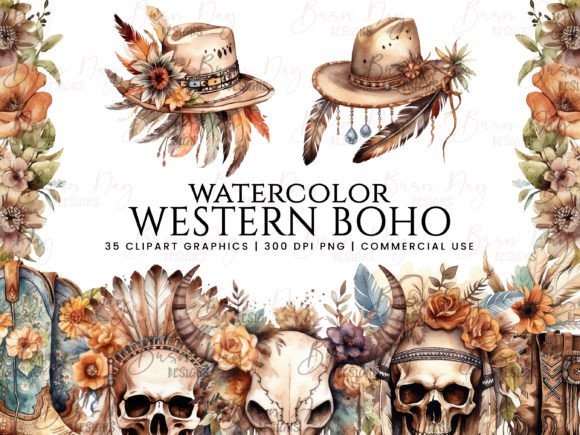
When I first opened the Watercolor Western Boho Clipart Bundle, my immediate reaction was not just about the aesthetic appeal, but about the translation potential. As an embroidery designer, I look at illustrations differently than a graphic designer does. I am constantly calculating how soft watercolor edges will convert into stitch paths and whether the delicate color gradients can survive the digitizing process without becoming muddy or overly dense. This bundle captures a specific mood that is currently dominating the handmade market: a blend of rustic western charm and soft, feminine bohemian warmth. The visual personality feels organic and hand-painted, which is exactly what customers are seeking in personalized gifts and boutique apparel right now.
However, the beauty of watercolor art lies in its unpredictability, while machine embroidery demands precision. My initial assessment suggests these designs have strong bones for conversion. The shapes appear distinct enough to support clean satin stitch borders or defined fill stitch areas, yet they retain enough artistic fluidity to avoid looking like stiff, generic clipart. For a craft business or Etsy seller, this balance is crucial. You want the finished product to feel like a piece of art, not a factory-produced logo. The theme naturally lends itself to earthy thread colors—terracotta, sage, mustard, and dusty rose—which are staples in my studio for creating cohesive brand collections.
Real-World Application: The Custom Tote Bag Test
To truly evaluate the Watercolor Western Boho Clipart Bundle, I mentally placed it onto a real project: a custom embroidered tote bag intended for a fall craft fair. Tote bags are excellent test subjects because the canvas texture interacts uniquely with watercolor-style digitizing. In this scenario, I envisioned using one of the larger floral or desert landscape elements as a centerpiece.
For this application, the design’s layout works beautifully because it allows for negative space. When stitching on canvas, you do not want 100% coverage; the fabric texture should peek through to maintain that authentic watercolor illusion. I would likely pair this illustration with a simple running stitch outline rather than a heavy satin border to keep the design lightweight and flexible. A heavy border on a tote bag can cause puckering and make the bag feel stiff. By utilizing the natural flow of the clipart, the sweatshirt embroidery or tote bag design retains a soft drape, which significantly increases the perceived value of the handmade product. Customers can tell the difference between a design that fights the fabric and one that works with it.
Navigating Fabric Challenges and Hoop Sizes
While these illustrations are versatile, they require careful consideration regarding where they are applied. Watercolor effects rely heavily on color blending and shading, which can be lost on certain textiles. I would advise against using intricate elements from this bundle on high-pile fabrics like terry cloth towels or thick fleece unless you are planning to use a heavy water-soluble topping. The texture of those fabrics can swallow the subtle details that make the western boho aesthetic special.
Similarly, be cautious when scaling these designs down for small hoop sizes. Watercolor clipart often contains fine details that translate into tiny fill stitches. If reduced too much for a baby embroidery project or a cap, those details may turn into a solid blob of thread or cause excessive needle penetrations that damage stretchy knits. Always check the minimum recommended size for your specific embroidery file. For curved surfaces like caps, ensure the design has been digitized with appropriate compensation, or choose elements from the bundle that are more vertical or compact to prevent distortion around the brim seam.
Dark fabrics present another hurdle. Watercolor designs typically assume a light background to show transparency and shading. If you plan to stitch this on a black sweatshirt or navy apron, you must verify if the digital embroidery file includes a white underlay base. Without it, the vibrant boho colors will sink into the dark garment, losing their luminosity. Testing on a scrap of your actual project fabric is non-negotiable here.
Elevating Product Value and Customer Trust
Using high-quality illustrations like the Watercolor Western Boho Clipart Bundle directly impacts buyer engagement and trust. In the saturated Etsy marketplace, customers are fatigued by overused, low-effort graphics. When they see a thoughtfully executed embroidery project featuring unique western boho art, they recognize the intentionality. It signals that you, as a maker, care about sourcing quality design assets.
This attention to detail translates to higher price points. A tea towel featuring a generic cow skull might sell for $15, but a kitchen towel showcasing a nuanced, watercolor-rendered western botanical scene can command $25 or more because it feels like a premium home decor item. Furthermore, consistency builds a brand. Using elements from a cohesive bundle allows you to create matching sets—perhaps a nursery pillow cover, a baby blanket, and a mom sweatshirt—that all share the same artistic DNA. This encourages repeat purchases and makes your shop listings look professionally curated rather than haphazardly assembled.
Essential Designer Notes for Success
Before you load the hoop, take these practical steps to ensure your commercial embroidery or personal project succeeds:
- Verify Licensing Terms: Before selling any finished product or digital mockup, confirm the specific license included with the bundle. Some licenses allow for physical sales but prohibit digital redistribution or POD (print-on-demand) usage.
- Test Stitch Density: Run a sew-out on scrap fabric identical to your final project. Check if the fill stitches are too dense for lightweight linen or too sparse for sturdy denim. Adjust density settings in your software if necessary to protect the fabric integrity.
- Thread Color Matching: Do not rely solely on screen colors. Pull physical thread samples against the printed clipart. Watercolor shades are complex; finding the perfect variegated or matte thread can elevate the design far beyond standard rayon sheen.
- Stabilizer Selection: For woven fabrics like canvas or denim, a cut-away stabilizer usually provides the best support for detailed watercolor fills. For knits, always use a fusible no-show mesh to prevent stretching during the stitching process.
- Mockup Accuracy: If selling digital files or taking pre-orders, use printable mockups that accurately reflect the texture of embroidery. Misleading customers with flat vector previews when the final product is stitched can lead to returns and negative reviews.
- Check File Compatibility: Ensure the embroidery file format matches your machine. Never assume a .PES or .DST file will transfer perfectly between different brands without checking for jump stitches or color sorting issues.
Final Thoughts on Creative Potential
The Watercolor Western Boho Clipart Bundle offers a fantastic foundation for makers who want to tap into current trends without sacrificing artistic integrity. Whether you are creating holiday embroidery for seasonal markets or developing a year-round line of custom apparel, these illustrations provide the visual warmth that resonates with today's buyers. Just remember that successful embroidery is a partnership between the digital art and the physical craft. Respect the limitations of the medium, test your assumptions, and let the unique character of these designs shine through your needlework. When executed with care, this bundle can become a signature element of your creative business, distinguishing your work in a crowded marketplace.