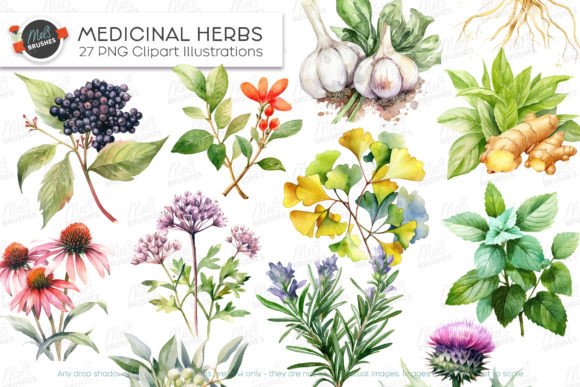
27 Medicinal Herbs Watercolour Clipart Review
As a professional embroidery designer and product reviewer, I approach every new asset pack with a healthy dose of skepticism. We have all purchased beautiful digital illustrations that look stunning on a screen but turn into a thread-break nightmare or a muddy mess once they hit the hoop. When evaluating the 27 Medicinal Herbs Watercolour Clipart collection, my primary focus was not just on the aesthetic beauty of the botanical art, but on its practical translation into stitch. For fellow Etsy sellers, apparel decorators, and makers, the question is always the same: will this design actually sell as a finished product?
First Impressions: Botanical Mood and Stitch Potential
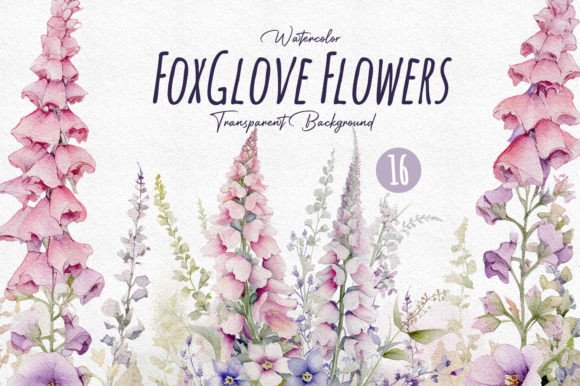
My initial assessment of these illustrations reveals a distinctively soft, organic mood that is currently dominating the handmade market. The watercolor style offers a gentle, vintage apothecary vibe that feels authentic rather than manufactured. From an embroidery perspective, this specific artistic style is a double-edged sword. Watercolor relies on blending and transparency, whereas machine embroidery relies on solid thread coverage and layering.
However, what makes this collection promising for a machine embroidery design conversion is the clarity of the individual herb shapes. Unlike abstract splashes, these medicinal herbs possess defined stems, leaves, and flower heads. This structural integrity is vital. It suggests that if you are digitizing these yourself or using pre-digitized versions, there is enough negative space to allow for breathable fill stitch areas without creating bulletproof patches. The visual personality here leans toward wellness, self-care, and cottagecore aesthetics, making it naturally suited for products that customers associate with relaxation and nature.
Real-World Application: The Custom Tote Bag Test
To truly evaluate utility, I mentally prototyped a project using this collection: a custom embroidered tote bag for a local farmer’s market vendor. This is a classic use case for tote bag design because canvas provides a stable foundation for detailed botanical work. In this scenario, I envisioned combining three or four different herbs from the set to create a wreath or a vertical garden layout.
The strength of having 27 distinct options is the ability to curate. For a lavender-themed product line, I could isolate just the lavender and chamomile illustrations. For a general "Garden Apothecary" sweatshirt, I could mix rosemary, sage, and echinacea. This versatility is crucial for Etsy seller success because it allows you to create multiple unique listings from a single asset pack. The designs feel appropriate for custom apparel, specifically linen shirts and cotton sweatshirts, where the matte texture of the fabric complements the watercolor aesthetic. Furthermore, for those creating baby embroidery items like nursery pillows or blankets, the non-threatening, soft nature of medicinal herbs avoids the sharp edges often found in traditional floral clipart, making it safer and more appealing for infant goods.
Navigating Fabric Limitations and Hoop Constraints
While the artistic potential is high, practical caution is necessary. Watercolor-style embroidery files can be dense. If you plan to use these on stretchy fabrics like jersey knits or ribbed t-shirts, you must be vigilant about stabilizer choices. A heavy cut-away stabilizer is non-negotiable here to prevent the intricate leaf veins from distorting the fabric grain. I would advise against using highly textured fabrics like terry cloth or boucle for these specific illustrations; the delicate details of the watercolor effect will get lost in the pile, resulting in a design that looks unfinished.
Hoop size management is another critical factor. Some of these herbal illustrations may have elongated aspect ratios. Before committing to a sweatshirt embroidery project, verify that the design fits your machine’s maximum stitching area without requiring excessive resizing. Resizing watercolor-style digitizations by more than 10-15% can ruin the stitch density balance, leading to gaps in coverage or overly thick satin borders. Additionally, be wary of dark fabrics. Watercolor implies lightness. Unless the embroidery file includes a white underlay base specifically designed for dark garments, these designs will likely disappear on black or navy material. They perform best on cream, natural linen, white, or pale pastel backgrounds where the thread colors can mimic the original illustration's luminosity.
Commercial Viability and Brand Consistency
For creative entrepreneurs and small shop owners, consistency builds trust. Using a cohesive set like 27 Medicinal Herbs Watercolour Clipart helps establish a recognizable brand identity across diverse products. Imagine offering a matching series: a tea towel featuring mint, a mug rug with lemon balm, and a tote bag with calendula. This cross-selling potential is significant. Customers who buy one handmade product are more likely to return if they see a coordinated collection.
From a licensing and commercial standpoint, always verify the terms before selling. While the illustrations serve as excellent design assets, ensure you understand whether you are selling the physical embroidered item or if digital derivatives are permitted. For commercial embroidery businesses taking custom orders, this set provides a reliable menu of options for clients seeking wedding favors, bridal party gifts, or spa merchandise. The professional presentation of these herbs elevates the perceived value of the finished product, moving it away from generic craft fair fare toward boutique-quality goods.
Essential Designer Notes for Successful Stitch-Outs
Before you thread your needle or list a new item, adhere to these practical guidelines to ensure quality:
- Test on Scrap Fabric First: Never run a complex botanical design directly onto a final garment. Test on a scrap of the exact same material and stabilizer combination to check for registration issues.
- Analyze Stitch Density: Open the digital embroidery file in your software. Check for areas where running stitches overlap excessively with fill stitches. These spots can cause needle breaks or fabric puckering.
- Thread Color Contrast: Watercolor relies on subtle shading. Ensure your thread palette has enough variation. Using a single shade of green for a stem and leaf will flatten the design. Use at least two tones to mimic the painted depth.
- Mockup Verification: Create a printable mockup or digital preview before production. Seeing the scale relative to the garment helps avoid placing a tiny herb cluster too low on a sweatshirt or too high on an apron.
- Check Small Details: Inspect tiny elements like stamens or leaf serrations. If they are smaller than 1mm, they may not stitch out clearly. Consider simplifying these areas manually if the digitization is too ambitious for standard 40-weight thread.
- Licensing Confirmation: Double-check if the license covers personalized gift sales versus mass production. Protect your business by knowing exactly how many units you can legally produce.
Elevating the Handmade Standard
Ultimately, 27 Medicinal Herbs Watercolour Clipart represents a valuable resource for makers who want to bridge the gap between digital art and tangible textile crafts. The key to success lies in respecting the medium. Embroidery is not printing; it is construction. By treating these illustrations as blueprints for thread rather than mere pictures to be copied, you can create embroidered patch sets, holiday embroidery keepsakes, and everyday wearables that possess genuine artisanal quality. Whether you are building a craft business inventory or creating a meaningful personalized gift, let the technical constraints of the machine guide your artistic choices. When executed with precision and proper stabilization, this collection has the potential to become a staple in your design library, delivering both aesthetic charm and commercial reliability.