Poppy Flower Watercolor: A Designer’s Real-World Review
First Impressions: Soft, Artistic, and Versatile
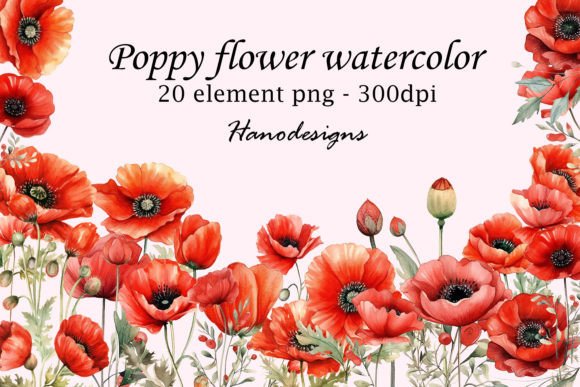
The Poppy Flower Watercolor design immediately catches the eye with its painterly strokes and gentle gradients. It feels like a digital brush has been used to capture the delicate essence of a blooming poppy, making it ideal for projects that lean into softness and artistic flair. From a design standpoint, this illustration strikes a balance between realism and abstraction, which is a big plus for embroidery work where literal interpretations can get lost in stitches.
The layout is centered around a single bloom, which makes it easy to scale and adapt to different hoop sizes. The watercolor effect gives it a dreamy, hand-painted look that’s perfect for baby items, boutique apparel, and personalized gifts. It feels feminine without being overly delicate, and modern without losing its warmth.
Real-World Use: From Tote Bags to Baby Onesies
I recently tested Poppy Flower Watercolor on a custom embroidered tote bag for a local boutique. The design stitched out cleanly on a medium-weight cotton canvas with minimal thread breaks and no distortion in the color blending. The satin and fill stitches handled the soft edges well, and the overall effect was just as the preview suggested—like a real watercolor painting translated into thread.
For a baby shower gift project, I placed the design on a onesie. The softness of the illustration complemented the pastel fabric beautifully. It didn’t overwhelm the garment, and parents loved the understated elegance. I’d say this design works especially well for personalized baby embroidery because it adds a touch of sophistication without being flashy.
Commercial Appeal: Etsy, Craft Fairs, and Custom Apparel
If you're an Etsy seller or run a small handmade shop, this design has strong giftability and visual appeal. It’s the kind of embroidery that customers can imagine on a variety of items—tea towels, pillow covers, even wedding favors. The neutral tones and floral theme make it easy to market across seasons and occasions.
When I used it on a custom sweatshirt for a client, the watercolor effect gave it a more artistic, boutique-style finish compared to typical embroidered logos. It stood out in a subtle way that elevated the overall look of the garment. For custom apparel designers, this could be a go-to option for clients looking for something unique but not over the top.
Where to Be Careful: Fabric, Placement, and Detail
While Poppy Flower Watercolor performs well on most stable fabrics, it’s not the best choice for stretchy materials like jersey or thin linens. The soft edges and subtle color transitions can blur on stretchy fabric, especially if the stabilizer isn’t top-notch. I’d recommend testing it first on a similar material before committing to a finished product.
Dark fabrics can also mute the watercolor effect. If you're using it on black or navy garments, consider how the thread colors will interact with the base fabric. A white or light underlay might help maintain the design’s visual integrity. Also, for curved surfaces like caps, the detail in the center of the flower may not stitch as crisply, so be mindful of placement and adjust hoop positioning accordingly.
Design Performance: Stitch Clarity and Thread Use
This machine embroidery design uses a mix of satin, fill, and running stitches to create the watercolor effect. The stitch density feels balanced—not too heavy to cause puckering, but dense enough to hold the detail. That said, it's a good idea to check the file’s stitch count and thread color changes before starting, especially if you're working with a limited thread palette or a smaller hoop.
I found that the design works best with high-quality embroidery thread to preserve the color blending. Lower-quality threads can dull the soft gradients, making the design look flat instead of painterly. If you're selling finished products or digital embroidery files, this is a detail worth mentioning to buyers.
Mockups and Marketing: Visualizing the Final Product
One of the strengths of Poppy Flower Watercolor is how well it translates to printable mockups. I tested it in both light and dark fabric mockups, and it looked equally appealing in both, though the dark fabric version required a slight color tweak to keep the softness visible. For digital product sellers, offering a preview in multiple fabric tones could help customers envision the design on different items.
When preparing product listings on Etsy or other platforms, I recommend showing the design on a few different products—like a tote bag, tea towel, and baby blanket. This helps potential buyers see the versatility and makes it easier to justify the price point for a digital file or finished item.
Practical Designer Notes: Before You Stitch
- Test on scrap fabric before stitching on your final product, especially if you're using a new fabric type.
- Check thread color contrast to ensure the watercolor effect isn’t lost in translation.
- Verify hoop size compatibility—this design may not fit well in very small hoops without resizing or simplifying.
- Use proper stabilizer for stretchy or thin fabrics to prevent distortion.
- Review licensing if you plan to sell finished items or include the design in commercial product bundles.
Final Thoughts: A Thoughtful Addition to Your Design Kit
Poppy Flower Watercolor isn’t just another floral embroidery—it’s a design that feels intentional and expressive. Whether you're creating personalized gifts, small shop products, or custom apparel, this design brings a unique visual element that elevates the finished product. It’s versatile enough for multiple uses but detailed enough to stand out in a crowded market.
As a designer, I appreciate how it balances artistry with practicality. It’s not overly complex, but it still delivers a high-quality, professional look. If you're looking to add a soft, elegant touch to your next embroidery project, this is one embroidery file worth considering.