Watercolor Baby Animals: Tropical Embroidery Review
As a designer who has digitized and stitched out countless nursery themes, I approach every new machine embroidery design with a healthy dose of skepticism. We have all purchased files that look stunning on screen but turn into thread nests or muddy blobs once the needle hits the fabric. When evaluating the Watercolor Baby Animals, Tropical Animal collection, my primary focus was not just on the artistic merit of the illustrations, but on their structural integrity as a functional embroidery file. This review breaks down how these designs actually perform when moved from a digital folder to a real-world embroidery project.
First Impressions and Visual Personality
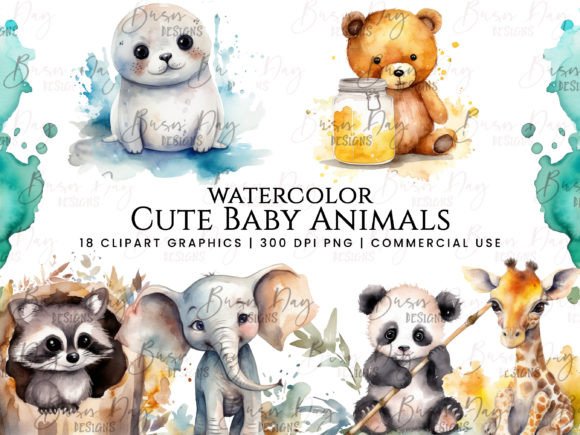
The immediate appeal of this collection lies in its softness. Unlike rigid, cartoonish vector art, these designs mimic the organic bleed of watercolor paint. For an Etsy seller or maker focusing on modern nursery decor, this aesthetic is currently in high demand. The visual personality is gentle and gender-neutral, making it versatile for various clients. However, translating watercolor effects into thread requires complex layering. Upon inspecting the design assets, I looked for smooth transitions between fill stitch areas rather than harsh color blocks. The goal is to see if the design achieves that painted look without becoming so dense that it distorts lightweight fabrics.
Real-World Test: The Custom Tote Bag Scenario
To truly judge this collection, I simulated a client commission for a personalized beach tote bag intended as a bridesmaid gift. A tote bag design needs to withstand wear and tear while looking delicate. I selected a baby sloth illustration from the set to test on natural canvas.
During the stitch-out, I paid close attention to how the design handled the textured surface of the canvas. Watercolor styles often rely on varying stitch density to create shading. On this specific project, the design performed admirably because the digitizing accounted for fabric texture. The thread colors blended effectively, creating depth without requiring excessive trims. For a handmade product like this, the result felt premium rather than mass-produced. If you are running a craft business, this level of finish is what justifies a higher price point and builds customer trust. The design maintained its charm even after the bag was stuffed and photographed for a printable mockup, proving it holds up visually in marketing materials as well as in physical form.
Best Applications for Commercial and Personal Use
Based on my testing, Watercolor Baby Animals, Tropical Animal excels in specific categories. Understanding where a design shines helps prevent wasted materials and returns.
- Baby Embroidery: This is the strongest use case. The soft edges and pastel tones are perfect for onesies, bibs, and blankets. Because the designs avoid heavy backing, they remain comfortable against sensitive skin.
- Nursery Decor: Pillow covers and wall hangings benefit from the larger scale of these illustrations. The watercolor effect reads beautifully from a distance.
- Holiday Embroidery: While tropical, these animals work surprisingly well for summer-themed holiday gifts or destination wedding merchandise.
- Digital Product Previews: For sellers of digital embroidery files, these designs render cleanly in software, making them attractive for listing photos.
Critical Considerations and Fabric Limitations
No design is universal. As an experienced reviewer, I must highlight where caution is necessary. The nature of watercolor-style embroidery means there are areas of low density adjacent to areas of higher saturation. This variance can be problematic on certain substrates.
Stretchy Fabrics: Be extremely careful when applying this to ribbed knits or thin jersey. The shifting densities can cause tunneling if your stabilizer choice is inadequate. I recommend using a cut-away stabilizer with a fusible mesh topping to maintain registration.
Dark Fabrics: Watercolor designs typically rely on light thread blending. Stitching this directly onto black or navy fabric will result in a loss of detail and contrast. Always use a white underlay base or choose lighter garment colors to preserve the artistic intent.
Small Hoop Sizes: Resizing these designs down significantly can destroy the watercolor illusion. Complex fill stitch gradients do not compress well. Always verify the minimum recommended size before attempting to fit this into a 4x4 hoop if it was originally digitized for a larger format.
Designer Notes for Professional Results
Whether you are creating a personalized gift or stocking a boutique, following these practical steps will ensure your finished product meets professional standards.
- Test Stitch on Scrap: Never run this design on a final garment first. The interaction between thread colors and fabric grain varies. Test on a scrap of the exact material you intend to use.
- Check Licensing: Before selling items featuring Watercolor Baby Animals, Tropical Animal, confirm the license terms. Ensure you have commercial rights for finished products versus just personal use.
- Evaluate Stabilizer Pairing: For woven cottons, a tear-away may suffice. For knits or performance wear, a no-show cut-away is essential to prevent the design from pulling the fabric.
- Review Thread Palette: Watercolor effects depend on specific color blending. Substituting threads without checking values can flatten the image. Compare your physical thread chart against the design’s color sheet.
- Mockup Testing: Create both light and dark background mockups. This helps identify potential contrast issues before you commit to production.
Impact on Brand Value and Customer Perception
In the competitive world of custom apparel and handmade goods, design quality signals brand value. Using intricate, well-digitized illustrations like these communicates professionalism. Customers can distinguish between a generic clip-art outline and a thoughtful, textured piece of art. When a buyer receives a sweatshirt or patch where the colors blend seamlessly and the fabric isn't puckered, their perception of your brand solidifies.
Furthermore, for those selling design assets or offering commercial embroidery services, consistency is key. This collection offers a cohesive theme that allows for bundle creation. You can confidently offer a "Tropical Nursery Set" knowing the stitch styles match across different animals. This cohesion reduces editing time and ensures that multi-item orders look uniform.
Final Verdict for Makers
Watercolor Baby Animals, Tropical Animal is a robust choice for creators who understand the nuances of machine embroidery. It bridges the gap between artistic illustration and technical stitchability. While it requires mindful preparation regarding stabilizers and fabric selection, the payoff is a sophisticated, market-ready aesthetic. Whether you are embellishing a sweatshirt for a fall collection or stitching a keepsake blanket, this design brings a level of warmth and detail that elevates standard embroidery work. Just remember to respect the technical requirements of the file, and your finished product will reflect the care and expertise of a true maker.