Watercolor Cute Baby Animals Clipart Review
First Impressions: Translating Paint to Thread
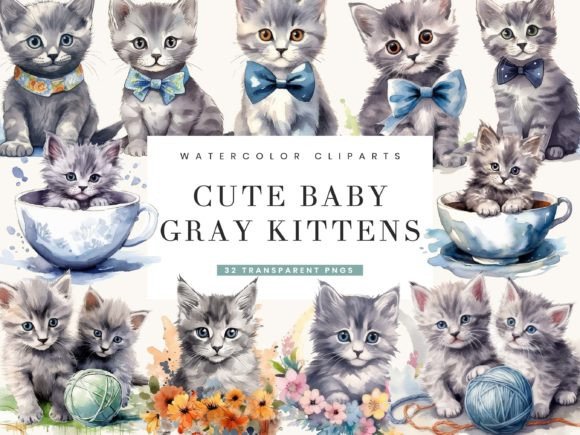
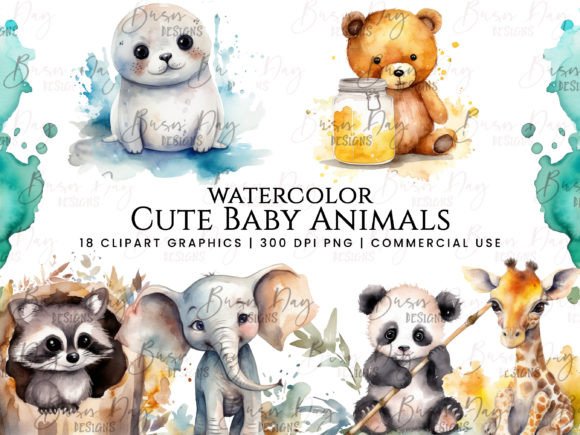
When I first opened the Watercolor Cute Baby Animals Clipart collection, my immediate thought was not about how pretty the illustrations were on screen, but how they would survive the digitizing process. As an embroidery designer and product reviewer, I have learned that digital art and stitched reality are two very different mediums. These illustrations possess a soft, organic charm that is perfect for the current market trend of gentle nursery aesthetics and cottagecore apparel. The visual personality is undeniably sweet, featuring muted tones and fluid shapes that suggest movement and life.
However, watercolor-style clipart presents a unique challenge for machine embroidery. Unlike vector art with hard edges, watercolor relies on gradients and soft boundaries. When evaluating this set for real-world application, I looked specifically at how the color transitions might translate into thread. A successful embroidery file based on these illustrations must balance artistic integrity with structural stability. If the digitizer has simply applied a heavy fill stitch over the entire shape, the result will be stiff and bulletproof. If they have used too many running stitches to mimic brush strokes, the design may lack definition on textured fabrics. My initial assessment is that these designs hold immense potential for high-value handmade products, provided the crafter understands the relationship between fabric texture and stitch density.
Real-World Application: The Custom Sweatshirt Test
To truly evaluate the viability of Watercolor Cute Baby Animals Clipart, I mentally walked through a recent client project: a custom embroidered sweatshirt for a boutique baby shower gift. The client wanted a "mama" sweatshirt featuring a subtle, artistic animal motif rather than a cartoonish character. This is where these illustrations shine. The aesthetic maturity of the artwork allows it to bridge the gap between baby gear and adult fashion.
In this scenario, the design serves as more than just decoration; it acts as a focal point that elevates the perceived value of the garment. For Etsy sellers and small shop owners, this distinction is critical. A generic clipart bear looks like a mass-produced item. A watercolor-inspired embroidery design feels bespoke and intentional. When stitching this onto a cotton-blend fleece sweatshirt, the soft edges of the illustration complement the fuzzy texture of the fabric. The design does not fight the material; it enhances it. This synergy is what drives customer trust and engagement. Buyers can see in the listing photos that the finished product has a professional, cohesive look, which directly impacts conversion rates for commercial embroidery businesses.
Navigating Fabric Choices and Hoop Limitations
While the aesthetic versatility of Watercolor Cute Baby Animals Clipart is impressive, practical execution requires careful fabric selection. Not all textiles are created equal when rendering painterly details. I strongly advise testing these designs before committing to expensive blanks or client orders.
- Textured Fabrics: Terry cloth, waffle knit, and heavy linen can obscure fine details. If the clipart features delicate facial expressions or thin limb outlines, these may get lost in the weave. On such fabrics, consider using an applique design technique or increasing the underlay to create a smooth foundation.
- Stretchy Knits: For t-shirts and onesies, stabilization is non-negotiable. Watercolor effects often require complex color changes and varying stitch directions, which can cause puckering on jersey knits if the stabilizer is insufficient. Always use a cut-away stabilizer for stretchy garments to maintain the integrity of the illustration after washing.
- Dark vs. Light Backgrounds: These illustrations likely rely on lighter pastel tones. Stitching them on dark navy or black fabric without a white underlay base will result in muddy colors and poor contrast. Conversely, on white fabric, ensure the outline definition is strong enough so the design doesn't disappear visually.
- Curved Surfaces: Be cautious when placing these designs on caps or curved tote bag seams. The distortion inherent in hooping curved items can warp the organic shapes of baby animals, making them look unintentionally stretched. Flat hoop areas like chest panels or pillow covers are safer bets for preserving the original artistic proportions.
Technical Considerations for Professional Results
As a reviewer, I must emphasize that the success of any digital embroidery file depends heavily on the end-user's technical diligence. Before listing a finished product for sale or gifting a personalized item, you must verify specific parameters. Since exact stitch counts and hoop sizes vary by digitizer, always check the product specifications against your machine’s capabilities.
Pay close attention to stitch density. Watercolor styles sometimes utilize lighter densities to mimic transparency. While beautiful, this can lead to coverage issues on loosely woven fabrics. Run a test stitch-out on scrap fabric that matches your final project weight. Inspect the registration between color blocks. In multi-color watercolor designs, misalignment is more noticeable than in solid block lettering. If gaps appear between color sections, adjust your hoop tension or add basting stitches to keep the fabric stable throughout the long stitch sequence.
Thread color selection also plays a massive role. Do not rely solely on the digital preview. Physical thread sheen interacts with light differently than matte digital pixels. Select thread colors that match the mid-tones of the illustration rather than the highlights, as thread naturally reflects light and can make colors appear brighter than intended. For commercial embroidery projects, consistency in thread branding ensures that every sweatshirt or bib you produce maintains brand recognition and quality standards.
Commercial Viability and Licensing Awareness
For creative entrepreneurs and makers, Watercolor Cute Baby Animals Clipart represents a valuable asset class, but only if used ethically and legally. The intersection of digital assets and physical products requires clear understanding of licensing terms. Before incorporating these illustrations into your shop inventory, confirm whether your license covers commercial use for finished physical products versus digital redistribution.
If you are an Etsy seller creating printable mockups or digital previews, ensure the resolution and presentation accurately represent what the embroidery machine can actually produce. Misleading customers with digital art that looks nothing like the stitched reality leads to returns and negative reviews. Transparency builds longevity in the craft business sector. Furthermore, consider how these designs fit into your broader catalog. Do they pair well with existing typography or monogram fonts? Can they be combined to create larger nursery wall hangings or quilt blocks? Strategic use of design assets maximizes your return on investment and streamlines your production workflow.
Final Verdict for Makers and Designers
Watercolor Cute Baby Animals Clipart offers a sophisticated alternative to standard cartoon embroidery designs. It captures a mood of tenderness and artistry that resonates deeply with modern parents and gift-givers. However, its beauty demands respect for the medium. Success lies in matching the right stabilizer to the fabric, verifying stitch integrity through testing, and honoring licensing agreements.
When executed correctly, these designs transform simple blanks into cherished keepsakes and profitable boutique items. Whether you are crafting a personalized gift for a loved one or scaling a custom apparel business, approach this collection with both creative enthusiasm and technical precision. The result will be embroidery that honors the original art while standing up to the rigors of real-life wear and washing. Always prioritize the tangible quality of the stitched outcome over the digital perfection of the screen, and your work will reflect the true professionalism that clients and customers value most.