Watercolor Floral Camera Clipart Vol.2: A Blogger’s Guide to Elegant Editorial Design
First Impressions: A Soft, Artistic Touch for Lifestyle and Creative Niches
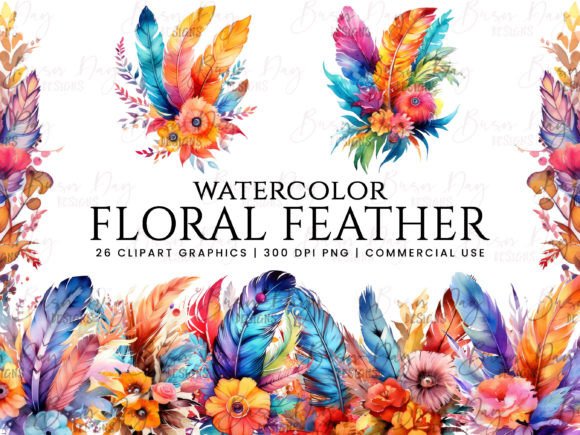
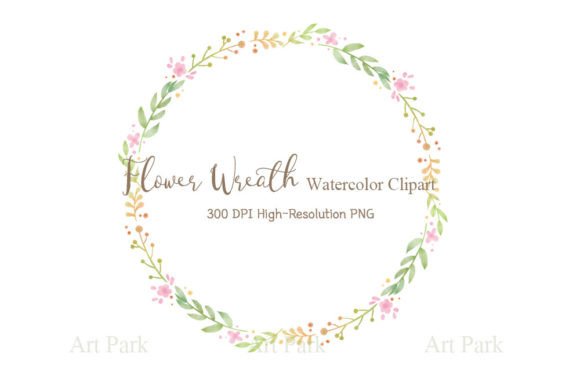
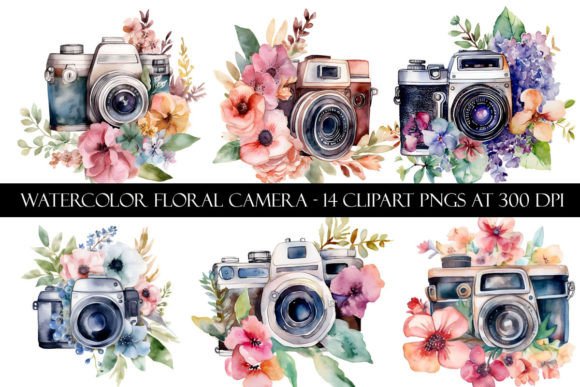
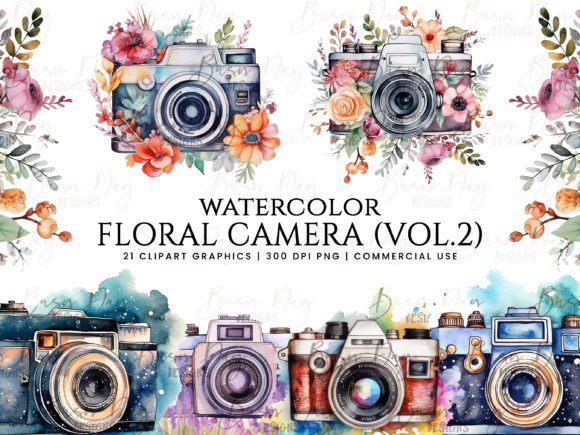
As a blog designer and digital publisher, I’m always on the lookout for design assets that elevate content without overpowering it. Watercolor Floral Camera Clipart Vol.2 immediately caught my eye with its delicate floral motifs and soft watercolor textures. This collection of Illustrations feels like a breath of fresh air for bloggers and content creators in lifestyle, photography, journaling, and creative entrepreneurship niches.
The overall mood is feminine, artistic, and slightly whimsical—perfect for websites that want to feel approachable yet polished. The hand-painted aesthetic adds warmth and personality, which can help build reader trust and emotional connection, especially in content that leans more personal or inspirational.
Real-World Use: From Blog Headers to Pinterest Pins
Let’s talk practicality. I tested these illustrations across several content formats and found them incredibly versatile. Here’s where they truly shine:
- Blog featured images – The floral frames and botanical elements add a decorative but not overwhelming touch to article headers.
- Pinterest graphics – The organic shapes and color palettes stand out beautifully in Pinterest’s visual feed, making your pins more eye-catching and clickable.
- Newsletter headers – Perfect for email banners where a touch of elegance can elevate your brand’s visual identity.
- Digital guides and worksheets – These illustrations integrate seamlessly into downloadable resources, enhancing the perception of quality and care.
- Canva templates – Ideal for content creators who rely on drag-and-drop tools to build social media posts, blog graphics, and lead magnets quickly.
How Watercolor Floral Camera Clipart Vol.2 Supports Content Performance
In content publishing, first impressions matter—and visuals are often the first thing readers notice. Using Watercolor Floral Camera Clipart Vol.2 helped me create a stronger visual hierarchy across my test layouts. Here’s how it boosted content performance:
- Improved click-through rates – Pinterest pins and blog thumbnails with these illustrations saw a noticeable uptick in engagement.
- Consistent brand identity – The cohesive style made it easier to maintain a unified look across multiple content formats.
- Enhanced editorial trust – The artistic yet professional finish gave the content a more curated, intentional feel.
- Better category recognition – Using the illustrations as visual tags helped readers quickly identify content themes like “photography tips” or “creative journaling.”
Where This Design Asset Works Best
These graphic design assets are best used in spaces where visual warmth and personality can shine. Based on my testing, they work exceptionally well in:
- Hero images – Use the floral frames as elegant overlays on top of high-quality photography.
- Article thumbnails – The soft watercolor textures pair beautifully with bold typography for featured image headers.
- Editorial accents – Sprinkle them as decorative dividers or sidebars in long-form blog posts.
- Downloadable resources – From eBook covers to printables, these illustrations add an artistic touch to your digital product line.
- Social media previews – Great for Instagram stories, Facebook posts, and Twitter cards where visual branding is key.
Where to Use It Carefully
While Watercolor Floral Camera Clipart Vol.2 is versatile, it’s not a one-size-fits-all solution. I found that it works less effectively in the following scenarios:
- Small mobile thumbnails – The detail can get lost on tiny screens, especially if the illustration is the main focus.
- Text-heavy blog images – Busy or intricate designs may interfere with headline readability.
- Low-contrast backgrounds – If your layout has a muted or pastel color scheme, ensure the illustrations don’t blend in too much.
- Corporate or serious professional niches – These illustrations feel more lifestyle and creative-focused, so they may not align with law, finance, or tech content.
- Minimalist websites – If your brand leans toward clean, modern design, use these illustrations sparingly to avoid visual clutter.
Publisher’s Checklist: Practical Notes for Real-World Use
Before integrating any graphic design asset into your publishing workflow, always test thoroughly. Here’s what I recommend doing with Watercolor Floral Camera Clipart Vol.2:
- Preview on desktop and mobile – Check how the illustrations scale and render on different devices.
- Test as a thumbnail – See if the design remains recognizable and visually appealing at small sizes.
- Place inside a real blog layout – Don’t just look at the illustration in isolation—see how it interacts with your fonts, colors, and spacing.
- Overlay with headline text – Ensure legibility and contrast when using the illustrations as featured image backgrounds.
- Check black-and-white compatibility – Some illustrations may lose impact if printed or viewed in grayscale.
- Pair with different fonts – These illustrations work best with script, serif, and handwritten fonts. Avoid very technical sans-serif typefaces unless you’re balancing the look intentionally.
- Review file size and format – Confirm that the files are optimized for the web to avoid slowing down your site.
- Verify licensing – Make sure you have the correct commercial license before using these illustrations on monetized sites, affiliate pages, or paid digital products.
Final Thoughts: A Valuable Addition to Your Creative Toolkit
If you’re a blogger, content creator, or digital marketer in a lifestyle, creative, or personal development niche, Watercolor Floral Camera Clipart Vol.2 offers a beautiful, flexible solution for enhancing your visual storytelling. Whether you’re building a digital guide, designing a lead magnet, or sprucing up your social media graphics, these illustrations can help your content feel more cohesive, professional, and inviting.
In a world where content is constantly competing for attention, having the right design assets can make all the difference. These illustrations don’t just decorate your content—they help tell your brand’s story with visual clarity and emotional resonance.