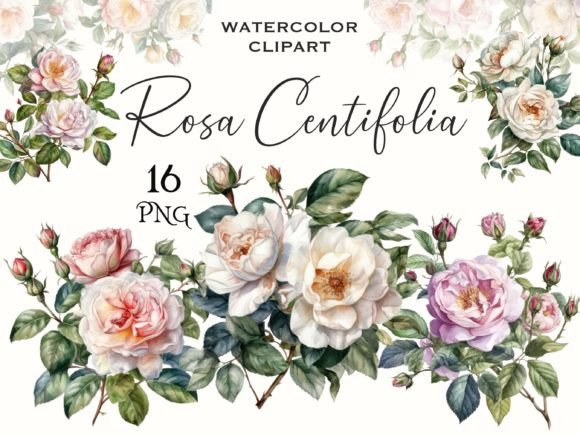
Watercolor White Wild Rose Clipart: Illustrations for Branding
As a brand designer and content marketer, I approach every new graphic design asset with a critical eye toward its utility in real-world campaigns. When evaluating the Watercolor White Wild Rose Clipart, my immediate assessment focuses on emotional resonance and commercial viability. This specific illustration evokes a sense of organic purity, delicate elegance, and timeless femininity. Unlike bold, graphic vector art, this watercolor style introduces a softness that instantly humanizes a brand. For small business owners and creative entrepreneurs, this asset signals authenticity and craftsmanship, making it particularly effective for lifestyle brands, wedding stationery, organic skincare lines, or editorial content that requires a gentle, sophisticated touch.
The mood created by these white wild roses is one of quiet confidence. In an era of loud, high-contrast social media feeds, this asset offers a visual pause that can actually increase engagement by reducing cognitive load. It suggests premium quality without being ostentatious. However, as with any creative design element, its success depends entirely on context. While it excels in romantic or naturalistic branding, it must be deployed strategically to ensure it supports, rather than distracts from, your core marketing message.
Integrating Floral Assets into a Spring Product Launch
To understand the practical value of Watercolor White Wild Rose Clipart, let us examine a recent project for a boutique tea company launching a new seasonal blend. The goal was to create a cohesive visual hierarchy across digital ads, packaging, and email marketing that felt fresh yet established. We needed a digital product asset that could bridge the gap between rustic charm and modern e-commerce professionalism.
In this campaign, the clipart served as more than mere decoration; it was a functional branding tool. We utilized the white roses to frame product photography on Instagram, creating a consistent border that improved feed aesthetics. For the packaging design, the illustration was placed subtly on the matte label stock, providing texture and depth that solid colors could not achieve. In our email banners, the roses acted as directional cues, guiding the reader’s eye toward the "Shop Now" call-to-action. This real-world application demonstrates how a single design bundle can unify disparate marketing channels, ensuring that whether a customer sees a Pinterest pin or a physical box, the brand identity remains recognizable and trustworthy.
Strategic Applications Across Digital and Print Media
Versatility is the hallmark of a valuable commercial design asset. Based on my testing, Watercolor White Wild Rose Clipart performs exceptionally well in specific high-impact areas:
- Social Media Graphics: Ideal for Instagram stories and carousel covers where negative space is needed for text overlays. The white petals provide natural contrast against colored backgrounds.
- Editorial Design: Perfect for blog headers, magazine spreads, or digital magazines focusing on wellness, beauty, or home decor.
- Printable Design: Highly effective for wedding invitations, greeting cards, and planner stickers where the watercolor texture adds perceived value.
- Web Design: Works beautifully as hero image accents or footer decorations, softening the rigid grid structures of modern websites.
- Lead Magnets: Enhances the cover design of PDF guides, checklists, and workbooks, making free resources feel like premium offerings.
Conversely, there are environments where this asset requires caution. I would advise against using these detailed illustrations in dense information layouts or highly technical B2B presentations. The organic nature of the watercolor can clash with data-heavy charts or strict corporate grids. Additionally, when designing for mobile screens, ensure the clipart does not reduce legibility. Small, intricate details can become muddy at thumbnail sizes, potentially harming the user experience rather than enhancing it. Always prioritize clarity over decoration in functional UI elements.
Elevating Audience Trust Through Visual Consistency
Marketing visuals are not just about aesthetics; they are about communication. Using Watercolor White Wild Rose Clipart effectively can directly influence audience trust. When a brand uses consistent, high-quality imagery, it signals attention to detail and professionalism. A haphazard mix of clipart styles suggests a lack of strategy, whereas a curated selection of complementary floral assets builds a narrative.
This specific asset supports marketing goals by establishing an emotional connection before a single word is read. For coaches and online educators, the softness of the white rose can make intimidating topics feel more accessible. For product creators, it elevates the perceived value of the item, justifying a higher price point through superior presentation. Furthermore, because white is neutral, this clipart adapts to almost any color palette, allowing for long-term use across multiple seasons without requiring a complete rebrand. This longevity makes it a cost-effective investment for small business branding.
Technical Review and Designer Implementation Notes
Before adding Watercolor White Wild Rose Clipart to your next campaign, conduct a thorough technical review. As a designer, I recommend the following checklist to ensure professional results:
- Palette Testing: Place the asset against your exact brand hex codes. White watercolors can sometimes pick up background colors or look gray on off-white backgrounds. Ensure sufficient contrast.
- Typography Pairing: Test the clipart with your chosen fonts. It pairs naturally with elegant serifs and flowing scripts but can create interesting tension with clean sans-serifs. Avoid overly decorative display fonts that compete with the intricate petal details.
- Format Verification: Confirm whether you are working with a PNG design for raster flexibility or an SVG design for infinite scalability. For print materials like posters or packaging, resolution is non-negotiable.
- Licensing Compliance: Always verify the commercial license terms. If you are creating templates for resale in a creative marketplace or using the asset in paid digital ads, ensure your license covers these specific use cases to avoid legal issues.
- Mockup Validation: Never judge the asset in isolation. Place it inside real campaign mockups to see how it interacts with copy, buttons, and other visual elements. What looks beautiful on a transparent canvas might get lost in a busy Facebook ad layout.
Maximizing ROI in Content Marketing Workflows
For content marketers and social media managers, efficiency is key. Watercolor White Wild Rose Clipart can significantly streamline production when used as part of a broader content marketing strategy. Consider creating a master Canva template library featuring this asset in various positions: corner accents, centered frames, and background textures. This allows for rapid creation of on-brand visuals without starting from scratch for every post.
Additionally, this asset is excellent for repurposing content. A high-resolution version can serve as a website header, while cropped sections can be used as bullet points in newsletters or icons in slide decks. By treating this clipart as a modular system rather than a static image, you extend its lifespan and maximize your return on investment. Whether you are selling digital downloads, promoting coaching services, or marketing physical goods, the key lies in intentional application. Use the Watercolor White Wild Rose Clipart to enhance your story, not just to fill empty space. When aligned with your brand voice and strategic goals, this illustration becomes a powerful asset in building a memorable, professional, and emotionally resonant brand identity.